
Insects & Mice We Treat
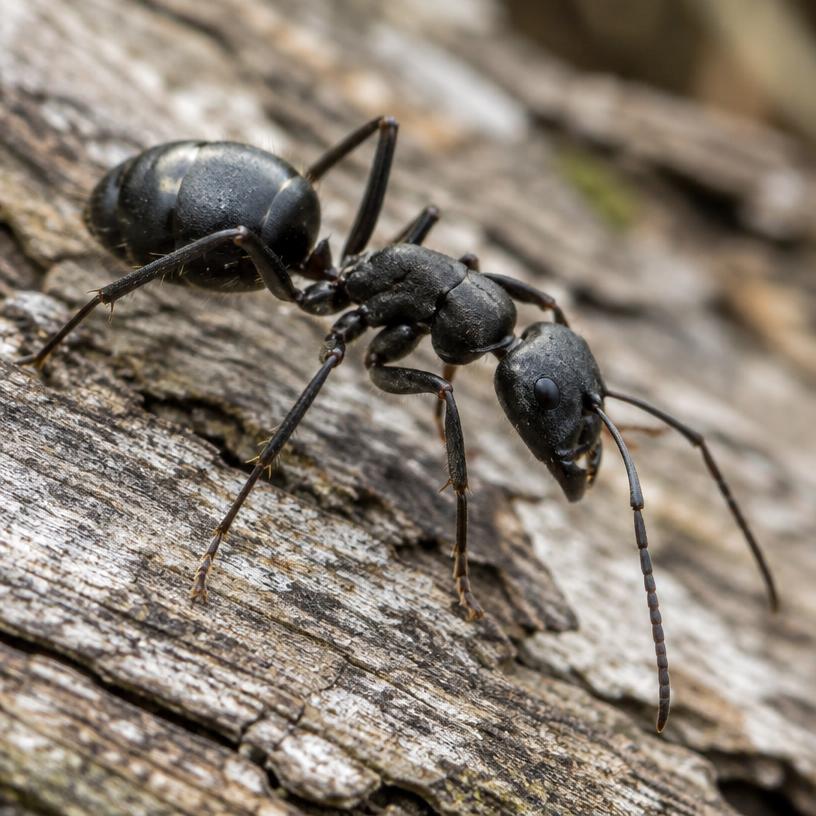
Carpenter Ants
Stop them before they damage the wood in your home.
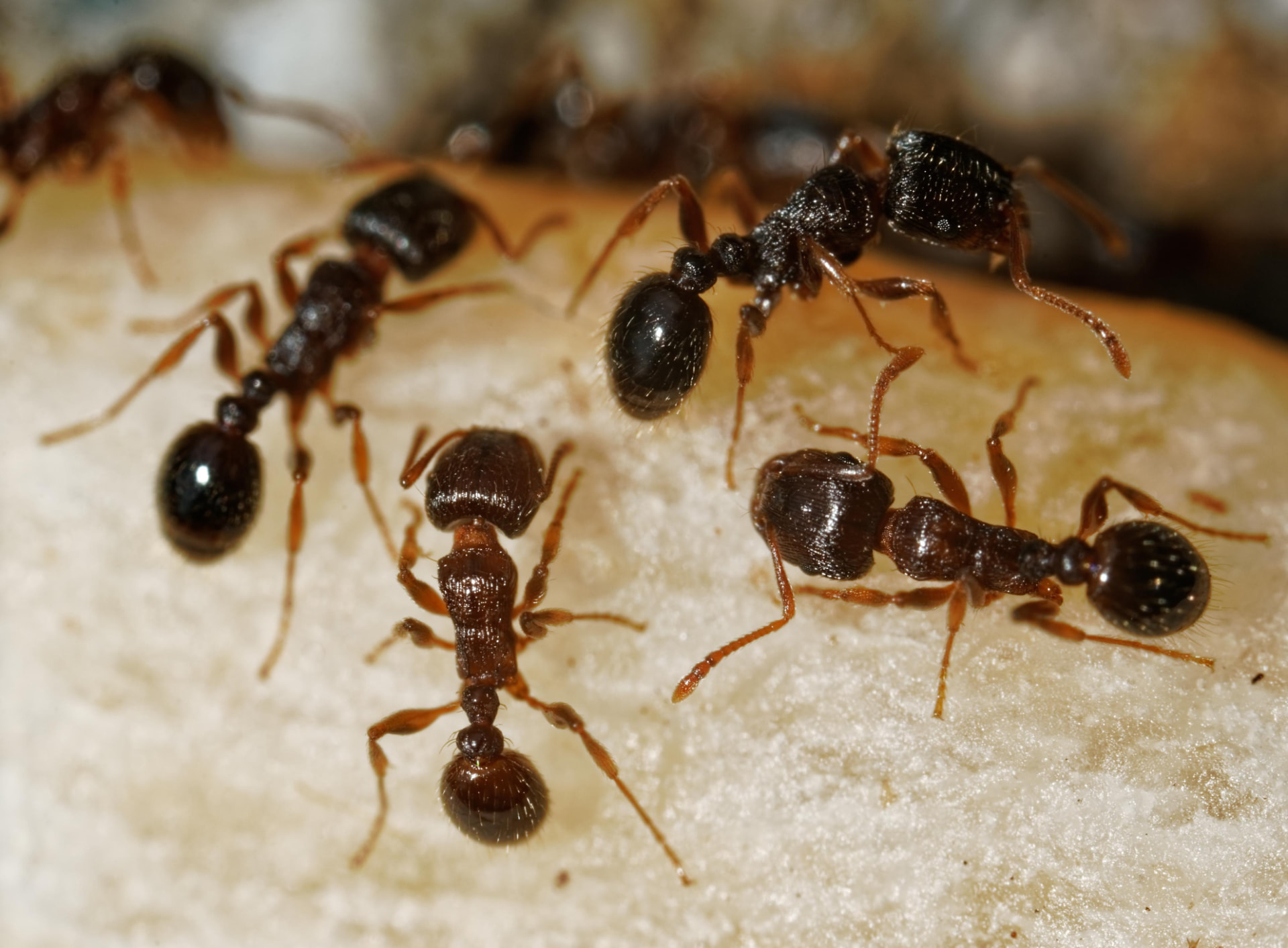
Pavement Ants
Small dark ants that nest under sidewalks, driveways and slabs and trail indoors.
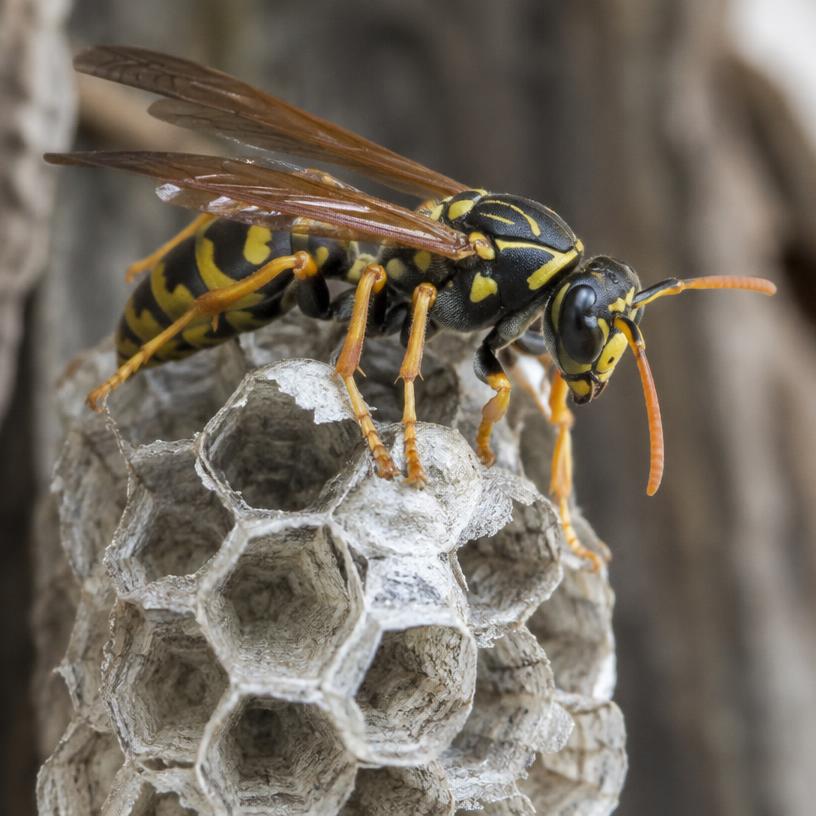
Wasps
Treatment of active wasp nests on eaves, decks and play sets. Your technician will explain in person how long the treated nest should remain.
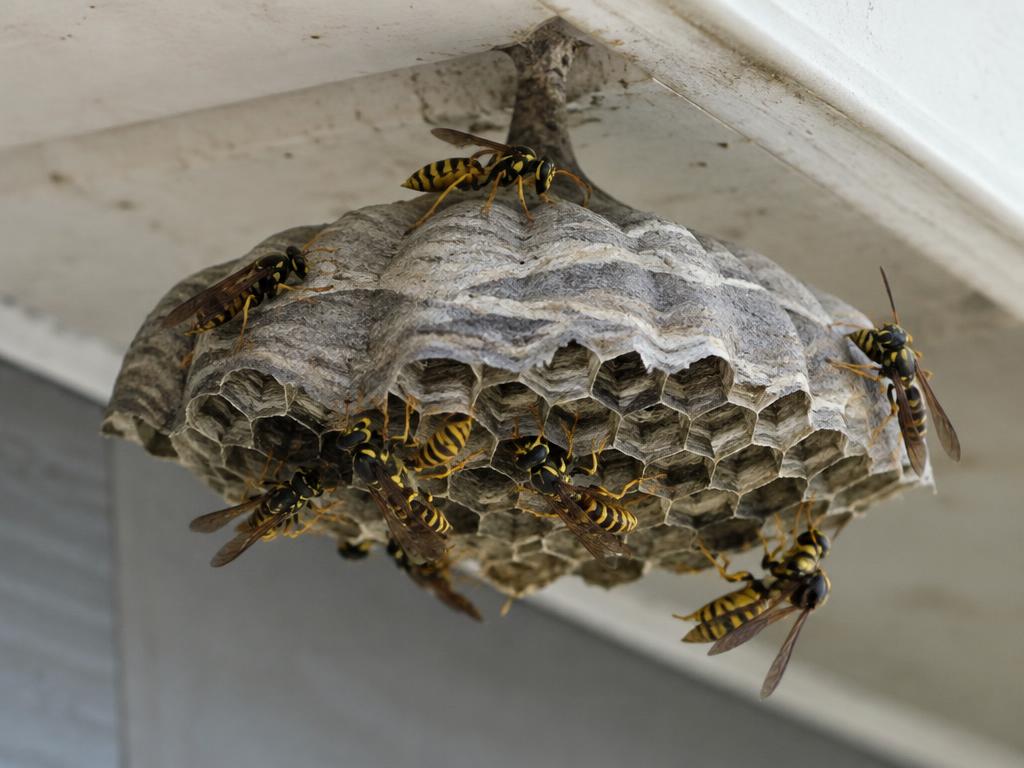
Paper Wasps
Umbrella-shaped nests under eaves, railings and grills.
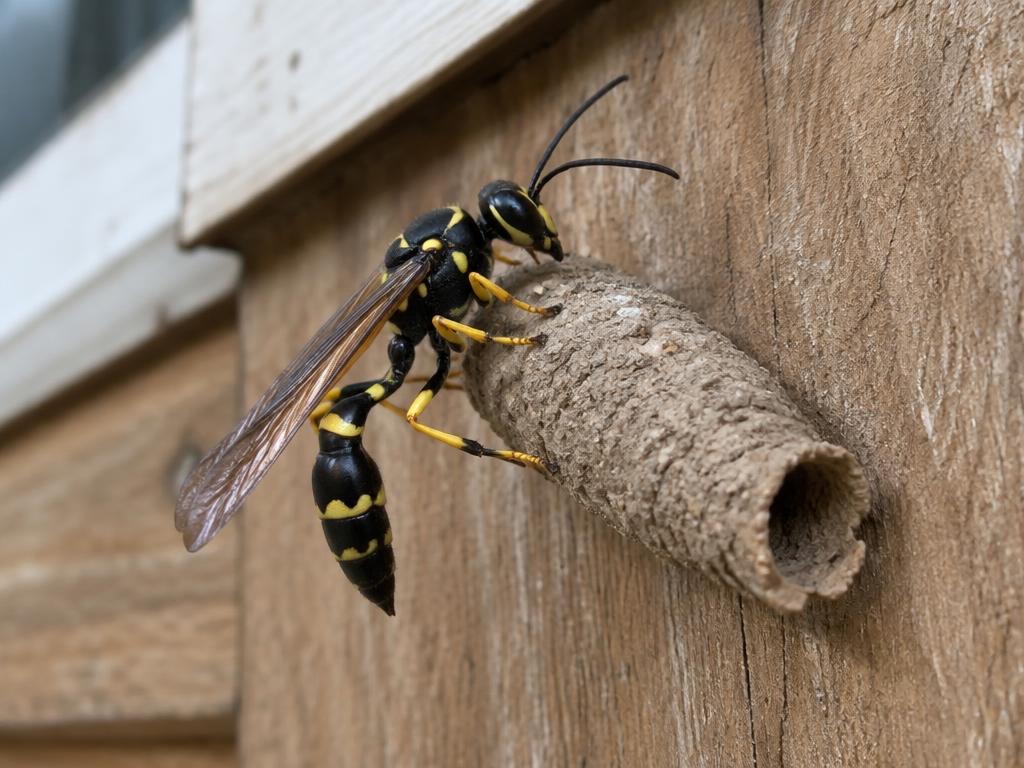
Mud Daubers
Mud tube nests on siding, garages and sheds cleared out.
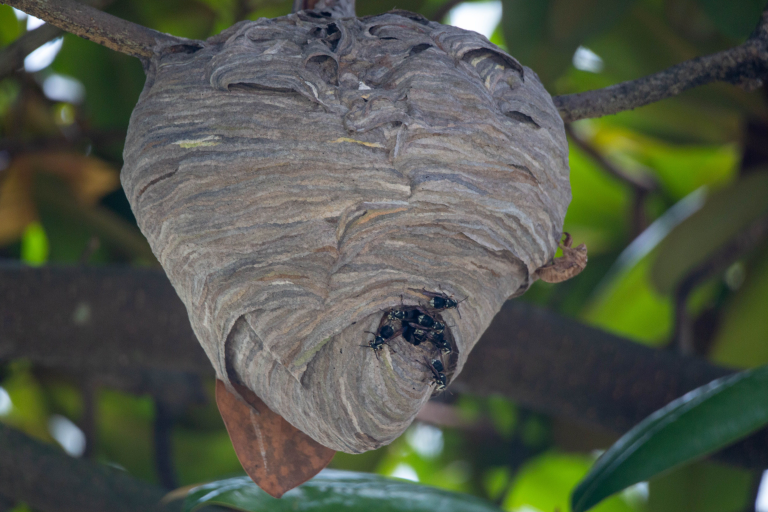
Hornets
Treatment of active bald-faced hornet nests like this one by experienced techs.
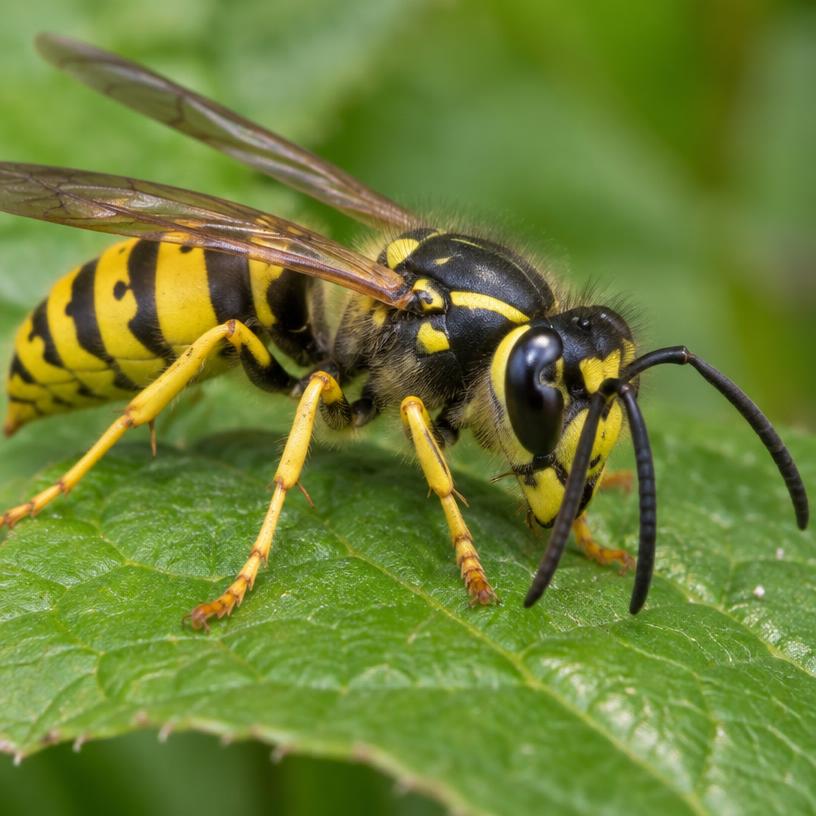
Yellow Jackets
Ground and wall nests treated quickly and safely.
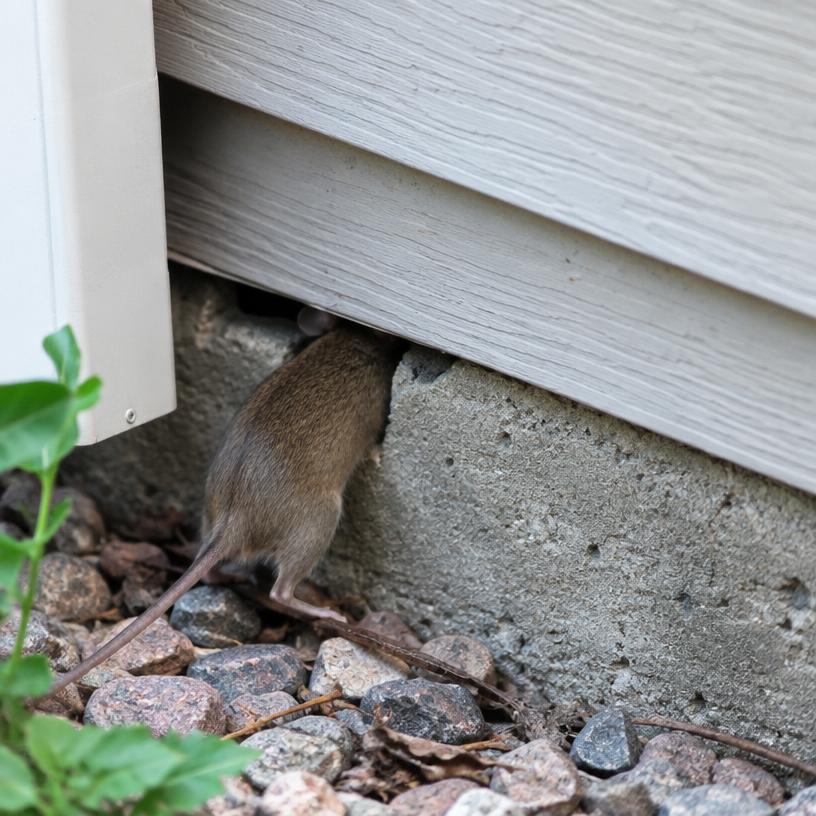
House Mice
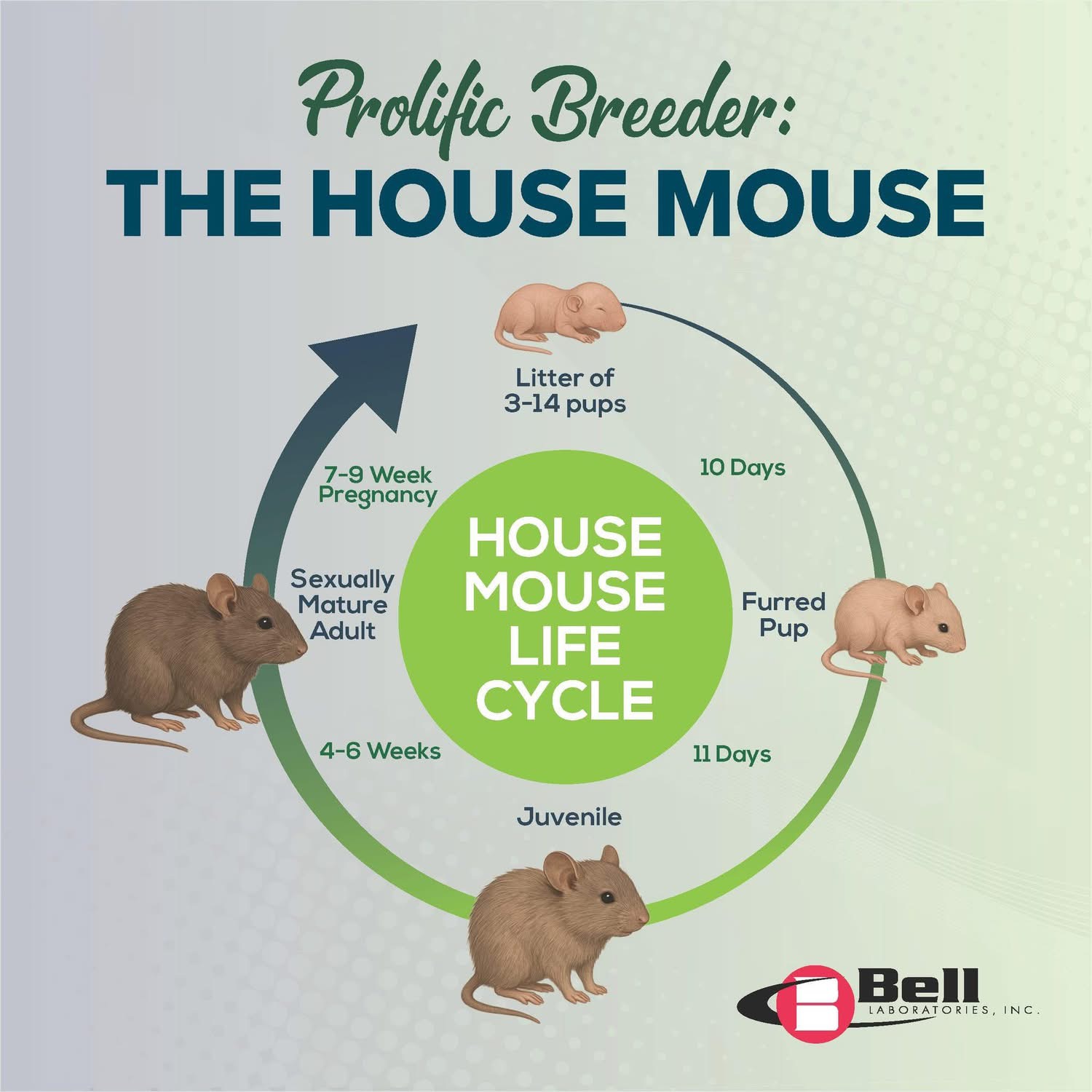
Mice slip in through small gaps at the foundation. We inspect and treat, and seal entry points as rodent exclusion.
We also treat ants, spiders and other common household pests. One-time upper & lower exterior treatment is $175–$375 by house size; interior is +$175 when needed and requested. Your first insect pest treatment includes an initial pest inspection at no additional charge. See plans & pricing.
Why You See Them In Winter
Pavement Ant Behavior
Pavement ants can nest beneath a house's concrete slab, enter through foundation or floor cracks, and travel through wall cavities. They can remain active indoors during a Chicago winter. Michigan State University reports that pavement ants are often encountered indoors during winter.
They may already be beneath the house before winter arrives. Seeing them in January does not necessarily mean they just crossed the frozen yard. A colony beneath or within a heated building can stay active, and reproductive ants can even swarm during winter in heated structures.
Why exterior spray may not be enough: when the colony lives under the slab, spraying along the outside foundation may not reach it. Pavement ants often need to be treated indoors where they're coming up, so an additional interior treatment (+$175) may be required.
| Habit | What happens in a house |
|---|---|
| Nest beneath concrete | Colonies occupy soil beneath slabs, sidewalks and foundations, accessing the building through existing cracks. |
| Use concealed routes | Workers travel along utility lines, heating ducts, and gaps around foundations and frames. |
| Nest inside walls | Wall voids can support nests, especially near moisture and heat sources such as hot-water lines. |
| Search for food | They forage for grease, proteins, sweets, pet food and dead insects. |
Behaviors documented by Penn State, Utah State and University of Wisconsin Extension.
Multi-Visit Treatment
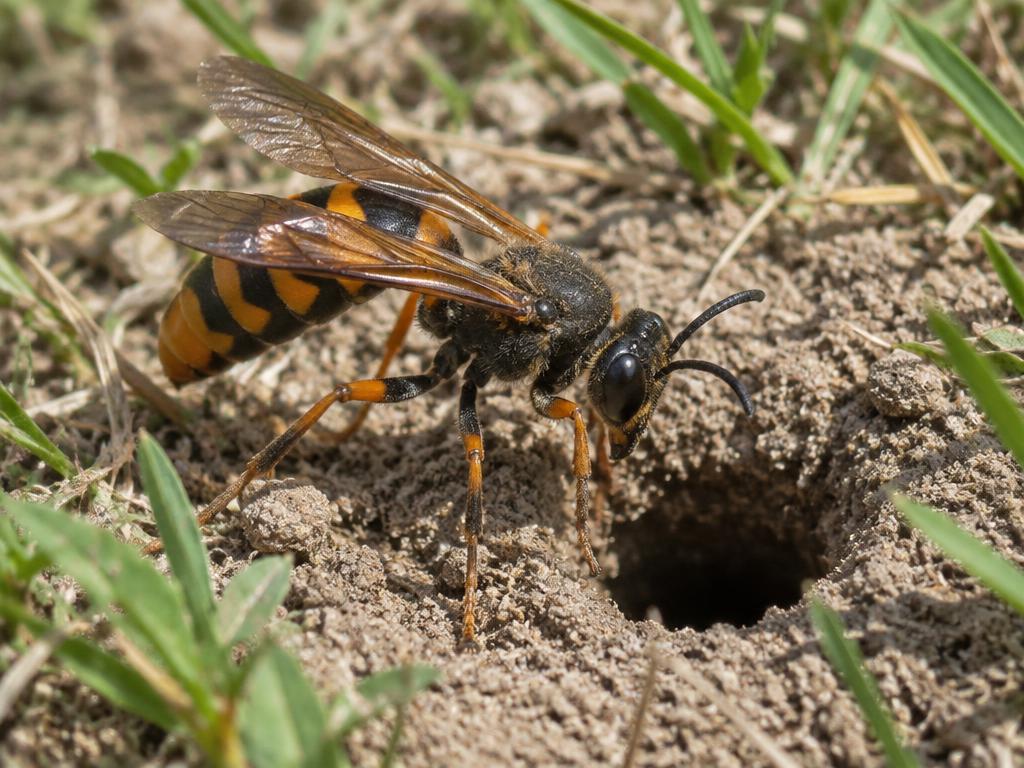
Cicada Killers
Cicada killers are large ground-burrowing wasps that nest in lawns, gardens and sandy soil. They are not a one-time treatment. Treatment usually takes a minimum of three visits. Call for a quote.